2 hours ago
Wildlife biologist with a passion for sloth conservation and sustainable ecosystems.
Recent findings have revealed a concerning trend: some donors are generating a vast number of kids through donor services. An investigation focused on a man whose genetic material had a genetic change that significantly elevated the risk of cancer for several of his resulting descendants. Perhaps further notable was the extent of this individual's influence: his donations was allegedly distributed to clinics in over a dozen separate nations, leading to at least 197 children.
Such a disclosure offers a unique glimpse into the booming international fertility donation industry. Donor services allows individuals to start a family when it may not otherwise be feasible—for instance due to infertility, forming a LGBTQ+ relationship, or opting for solo parenting. Addressing this demand has transformed into a high-value enterprise.
Unlike common assumptions, few potential donor is suitable to be a fertility donor. Actually, fewer than 5 in 100 men eventually meet the required benchmarks.
The selection procedure is thorough and entails numerous tests:
Furthermore, the donation must endure the cryopreservation and warming procedure at a sperm bank. A person who is demonstrably capable of fathering children and may have kids of his own could still be found not a candidate.
Guidelines differ around the world, but common requirements include being within a certain age bracket (e.g., 18-45), being tested negative for infections like HIV/AIDS, and not carrying specific genetic variants.
This demanding selection leads to a limited pool of suitable donors. As a result, in several regions, a sizable portion of fertility samples is sourced from abroad.
From within this select pool of men, particular donors are significantly more sought-after than others. The matching method often mirrors the reality of contemporary dating apps.
"You know if the donor is Sven and they've got light hair, and they're over six feet and they play sports, and they are musical and are well-educated—you know that's far more desirable than a individual that is more average," notes a fertility specialist.
Future recipients can frequently browse profiles that include photos, voice recordings, job descriptions, and physical characteristics like tallness and weight. Ultimately, clients are making choices based on preference.
The country of Denmark has become established as a global hub for sperm donation. The country has even earned a moniker for producing so-called "Nordic offspring".
Fertility experts point to a mix of attitudinal and genetic factors explaining this success. Culturally, sperm donation is said to be regarded with reduced social restriction and is commonly associated with other donor acts, like blood donation.
Biologically, some argue that certain genetic features common in Nordic populations are especially appealing. The logic is that these features enable the parent's own genetic features to be predominant to appear in the child.
The practice for genetic samples to readily travel between countries is a key element allowing donors to father very large numbers of descendants. Individual countries enforce different rules on how many times a donor can be used.
But, there is typically no international registry to limit a one man's sperm from being used to the allowed limit in several separate countries concurrently. This can within the rules lead to a situation where a man has dozens of resulting children around the globe, often without his knowledge.
Following to increasing worries, suggestions have been made for stricter control. Proposals include:
Apart from the regulatory challenges, there are deep personal implications. Offspring born through donor conception may eventually learn they have hundreds of biological relatives. Some individuals, this revelation can be traumatic.
In the same way, donors may be unaware of the sheer number of their biological legacy. The rise of direct-to-consumer genetic testing and social media has allowed it to be much easier for individuals to find one another beyond official channels.
"The ethical questions of using genetic material
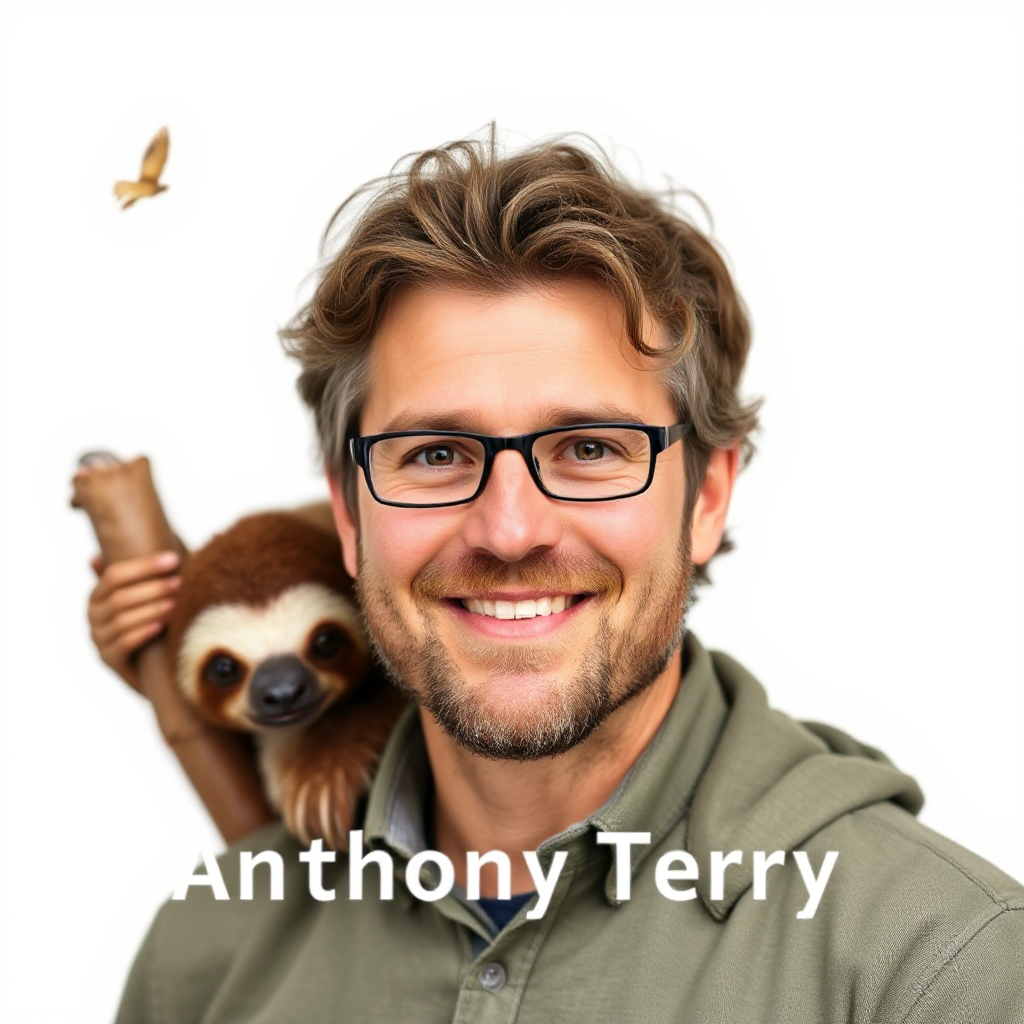
Wildlife biologist with a passion for sloth conservation and sustainable ecosystems.
 Anthony Terry
Anthony Terry
Anthony Terry
Anthony Terry